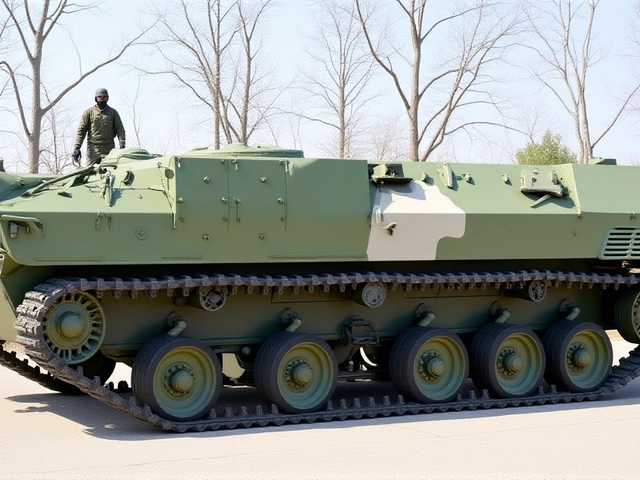
DRDO Unveils Vikram VT-21: India’s New Amphibious Armored Beast
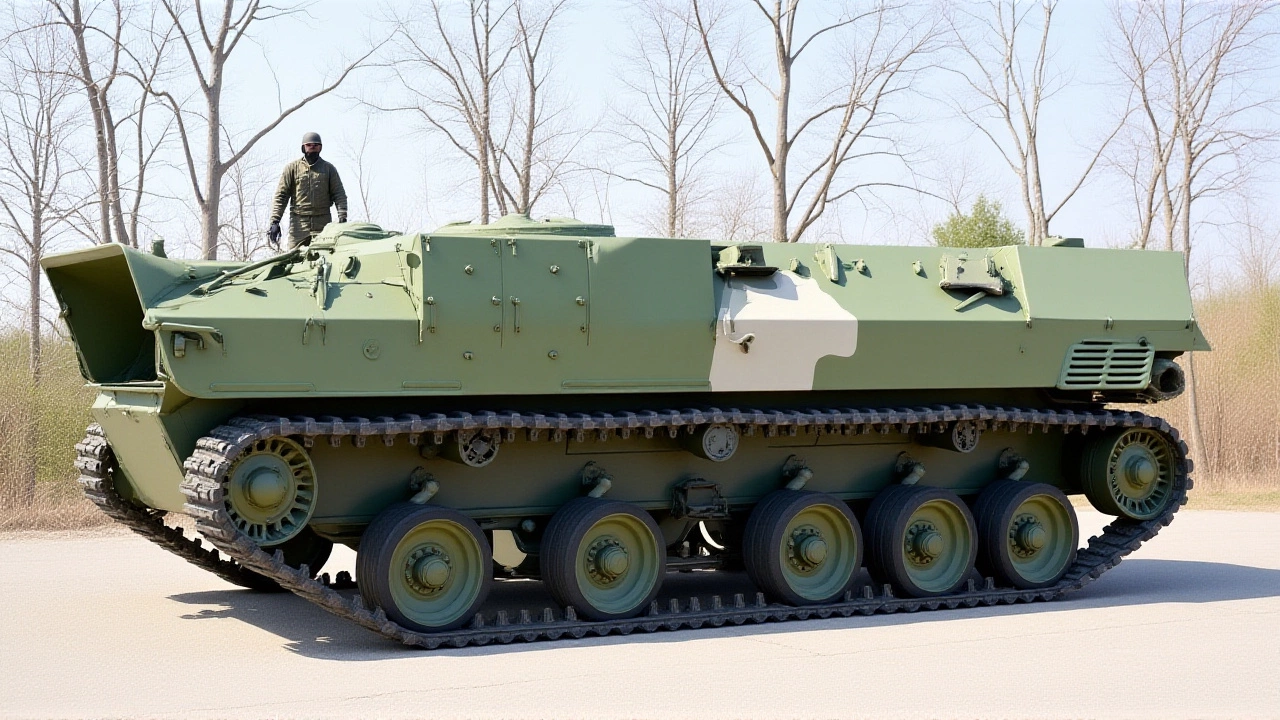
When Defence Research and Development Organisation dropped a new video this week, it didn’t just show another tank. It showed something that defies the usual boundaries of land warfare. The footage features the Vikram VT-21, an indigenous armored vehicle that doesn’t just roll over terrain—it floats on water. In a move designed to catch global attention, DRDO has branded this machine as a “warrior” that roars on land and swims in rivers, signaling a significant leap in India’s domestic defense manufacturing capabilities.
The release isn’t subtle. The accompanying promotional material uses emphatic language, describing the vehicle as a spectacle that has left the world “astonished.” But beneath the hype lies a serious strategic shift. For decades, amphibious assault vehicles have been complex, expensive imports or licensed builds. Now, New Delhi is showcasing a platform built from scratch within its own borders, capable of bridging the gap between terrestrial dominance and aquatic mobility.
A Machine Built for Two Worlds
Here’s the thing about amphibious armor: it’s incredibly hard to engineer right. You need enough buoyancy to stay afloat without sacrificing the weight needed for protection against small arms fire and shrapnel. The Vikram VT-21 appears to solve this paradox. According to the description provided by DRDO, the vehicle is designed to operate effectively in both environments. On land, it “roars,” implying high-speed mobility and robust engine performance. In water, it transitions seamlessly, floating and maneuvering across bodies of water.
This dual capability is crucial for modern asymmetric warfare. Imagine a scenario where troops need to cross a flooded river valley or launch a surprise coastal insertion. Traditional tanks get stuck; boats lack firepower. The VT-21 offers a middle ground—a mobile fortress that doesn’t stop at the shoreline. While specific technical specs like top speed in water or maximum draft depth aren’t detailed in the initial release, the visual evidence suggests a hull design optimized for displacement and stability.
The Push for Indigenous Power
The term used in the video description—swadeshi yoddha, or “indigenous warrior”—is no accident. It taps into a broader national narrative of self-reliance, known as Atmanirbhar Bharat. For years, India relied heavily on foreign suppliers for heavy armor, from Russian T-90s to American Apache helicopters. Each purchase came with strings attached: maintenance dependencies, export control restrictions, and long lead times.
By developing the Vikram VT-21 domestically, DRDO is asserting control over its supply chain. This isn’t just about saving money; it’s about operational security. If the technology is homegrown, upgrades can happen faster, repairs can be localized, and tactical adaptations can be made without seeking permission from foreign governments. It’s a strategic insurance policy against geopolitical uncertainty.
Why the World Is Watching
The claim that the “world is astonished” might sound like marketing fluff, but there’s truth to it. Few nations possess the industrial base to produce advanced amphibious armor at scale. China has its Type-05 series, and the US has the AAVP-7A1, but these are often legacy platforms undergoing slow updates. An entirely new indigenous design from India signals that South Asia’s largest military is catching up technologically.
Moreover, the region’s geography makes such vehicles highly relevant. With extensive riverine borders in the east and a vast coastline, India faces unique logistical challenges. A vehicle that can navigate the Brahmaputra’s floodplains or the Sundarbans’ mangrove channels provides a tactical advantage that static defenses cannot match. Neighboring countries are undoubtedly taking note, analyzing how this could alter the balance of power in border skirmishes.
What Comes Next?
The video release is just the beginning. Typically, after such a public unveiling, the next steps involve rigorous field trials. We can expect to see the Vikram VT-21 tested in extreme conditions—high-altitude deserts, dense jungles, and rough seas. These tests will determine if the vehicle can handle the rigors of actual combat or if it remains a prototype curiosity.
If successful, mass production could follow within three to five years. The Indian Army has expressed interest in modernizing its mechanized infantry units, and an affordable, indigenous option fits perfectly into their budget constraints. However, challenges remain. Supplying reliable engines, advanced optics, and communication suites domestically is easier said than done. The true test won’t be whether it floats, but whether it fights effectively when things go wrong.
Background: India’s Armor Evolution
To understand the significance of the VT-21, you have to look back. India’s main battle tank, the Arjun, faced years of criticism and delays before finally entering service. Lighter vehicles, like the BMP-2, were imported in large numbers during the Cold War era. The push for indigenous development gained momentum in the 2010s, leading to projects like the K9 Vajra artillery gun (a co-production) and various drone programs.
The Vikram VT-21 represents the next generation of this effort. It’s not just a copy of existing designs; it’s a response to specific regional threats. Unlike the open terrain of Europe, where traditional tanks excel, South Asian conflicts often involve fragmented terrain, urban environments, and water barriers. A vehicle that adapts to all these terrains is a force multiplier, allowing commanders to choose their battlefield rather than being dictated by geography.
Frequently Asked Questions
What exactly is the Vikram VT-21?
The Vikram VT-21 is an indigenous amphibious armored vehicle developed by India's Defence Research and Development Organisation (DRDO). It is designed to operate effectively on both land and water, combining the firepower and protection of a tank with the mobility of a boat. The vehicle is marketed as a "swadeshi yoddha" or indigenous warrior, highlighting its domestic origin.
How does the Vikram VT-21 move in water?
While specific mechanical details weren't fully disclosed in the initial release, amphibious vehicles typically use water jets, propellers, or paddle wheels for propulsion in water. The VT-21's hull is designed to be watertight and buoyant, allowing it to float and maneuver across rivers, lakes, and coastal areas. This capability enables rapid deployment across water barriers that would stop conventional tanks.
Why is DRDO emphasizing the "indigenous" aspect?
Emphasizing the indigenous nature aligns with India's "Atmanirbhar Bharat" (Self-Reliant India) initiative. By building the vehicle domestically, India reduces dependence on foreign suppliers, ensures better maintenance support, and retains intellectual property rights. It also allows for quicker customization to meet local tactical needs without bureaucratic hurdles from foreign manufacturers.
Will the Indian Army adopt this vehicle?
It is highly likely, pending successful field trials. The Indian Army has a growing requirement for mechanized infantry support in diverse terrains, particularly in the eastern borders and coastal regions. If the VT-21 meets performance standards in upcoming tests, it could replace older imported models or fill a niche currently served by lighter, less protected vehicles.
Are there any similar vehicles globally?
Yes, several countries operate amphibious armored fighting vehicles. Notable examples include the Chinese ZBD-05, the US AAVP-7A1, and the Russian BTR-80A. However, the Vikram VT-21 is distinct because it is a completely new indigenous design tailored to India's specific geographic and strategic requirements, rather than a licensed copy or minor upgrade of a foreign platform.