India Hikes Fuel Prices ₹3 Amid US-Iran Tensions and Oil Surge
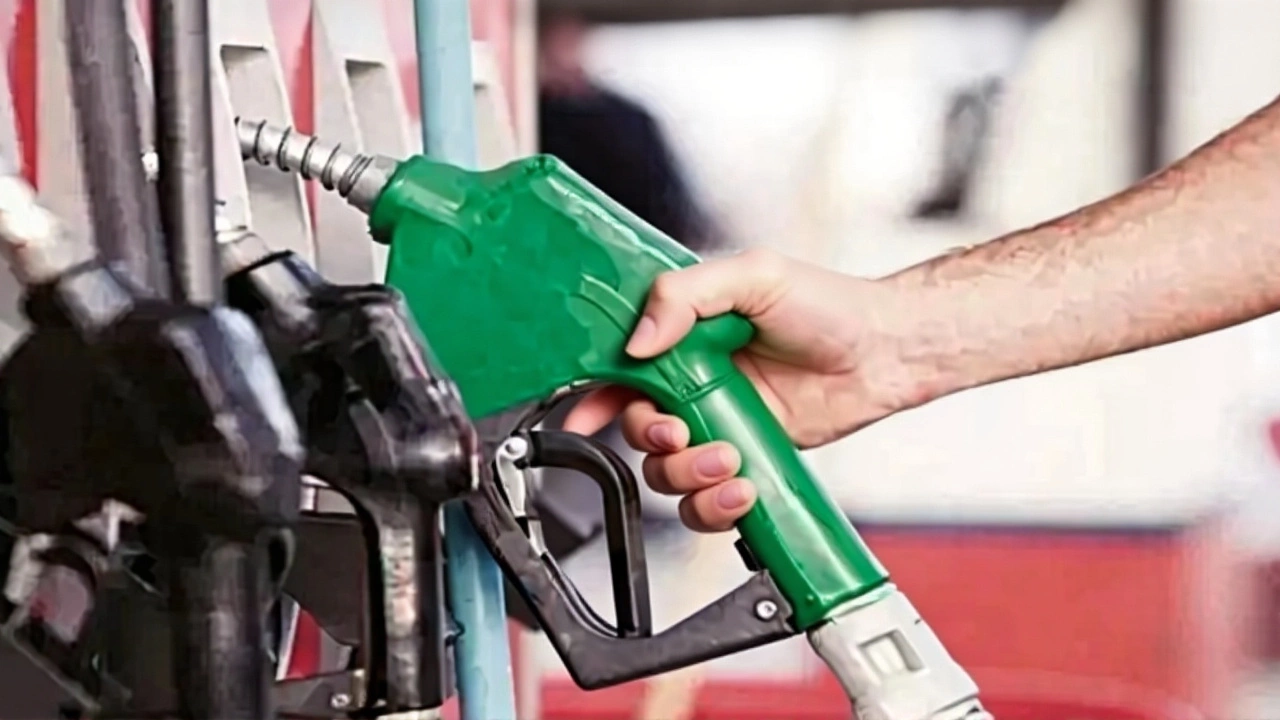
When Narendra Modi, Prime Minister of India's government finally broke a four-year streak of stable fuel costs, the move sent ripples through every household in the country. The Government of India raised petrol and diesel prices by exactly ₹3 per litre on May 17, 2026. This wasn't just a routine adjustment; it was a direct response to a geopolitical firestorm brewing thousands of miles away.
The trigger? Escalating tensions between the United States and Iran over the Strait of Hormuz. Since late February, this chokepoint for global energy has been a flashpoint, causing international crude prices to nearly double. For Indian commuters, the result is immediate: higher costs at the pump, even if the hike feels modest compared to the chaos unfolding globally.
Geopolitics Driving Global Oil Markets
Here's the thing about oil markets: they don't just react to supply and demand; they panic at the sight of a naval blockade. The tension between Washington and Tehran, which began intensifying around February 28, 2026, has created a perfect storm. Both nations have repeatedly rejected diplomatic proposals, leaving the Strait of Hormuz—a waterway that handles roughly 20% of the world's oil consumption—as a potential bottleneck.
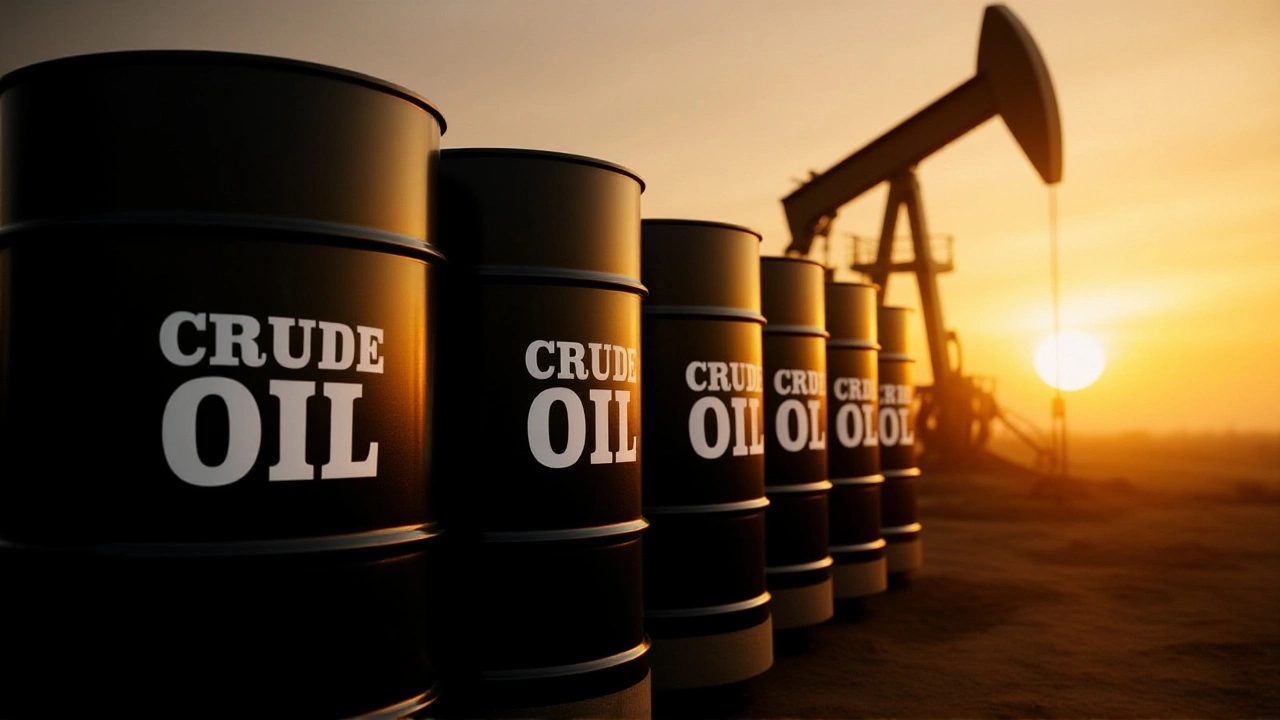
The financial impact has been staggering. In the week ending May 15, 2026, global crude prices surged by more than 8%. On that final Friday alone, benchmark prices jumped over 3%. West Texas Intermediate (WTI) closed at $105.42 per barrel, while Brent crude hit $109.26. To put that in perspective, these figures represent a dramatic shift from the relative stability seen earlier in the year. Analysts note that such volatility is rare outside of major conflicts, making this situation uniquely precarious for import-dependent nations like India.
Domestic Impact: A Controlled Rise?
But wait—why only a ₹3 hike when global prices are skyrocketing? That’s where the nuance lies. According to reports from ABP Live, the Indian government and the ruling Bharatiya Janata Party (BJP) framed this increase as a necessary but minimal step. They argued that amidst a "global oil crisis," India had kept the burden on consumers significantly lower than many other countries.
The math backs up their claim to some extent. A ₹3 increase translates to approximately a 3.2% rise in petrol prices and a 3.4% jump in diesel costs. While it stings at the wallet, it’s far less severe than the double-digit percentage swings seen in international markets. As of May 17, petrol in New Delhi stood at ₹97.77 per litre, and diesel at ₹90.67. These are the first price hikes in four years, marking a significant shift in domestic economic policy.
City-Wide Price Variations
Fuel prices in India aren't uniform; they vary wildly based on state taxes and local logistics. NDTV’s data from early May shows just how fragmented the landscape is. Before the recent hike, New Delhi saw petrol at ₹94.77 and diesel at ₹87.67. But cross the border into Maharashtra, and Mumbai residents were paying ₹103.50 for petrol and ₹90.03 for diesel. In Kolkata, those numbers climbed even higher to ₹105.45 and ₹92.02 respectively.
- Mumbai: Petrol ₹103.50, Diesel ₹90.03
- Kolkata: Petrol ₹105.45, Diesel ₹92.02
- Chennai: Petrol ₹100.93, Diesel ₹92.48
- Bengaluru: Petrol ₹102.92, Diesel ₹90.99
- Gurugram: Petrol ₹95.65, Diesel ₹88.10
This disparity highlights a broader issue: while the central government controls the base price, state governments hold the purse strings on taxes. For citizens in high-tax states, the effective cost of living increases much faster than the headline ₹3 figure suggests.
Expert Analysis and Future Outlook
Turns out, the calm before the storm might be over. On May 5, despite Brent crude breaching $114 per barrel and jumping 6% in a single day, state-run oil companies like Indian Oil Corporation Limited (IOCL) held prices steady. Experts suggest this was a political decision to provide temporary relief. However, with daily price revisions occurring at 6:00 a.m., any further spike in international crude could quickly translate to pump prices.
The key question now is sustainability. Can the Indian economy absorb sustained high fuel costs without triggering inflation? Historically, yes—but only if the geopolitical tension de-escalates. If the US-Iran standoff continues, we’re looking at a prolonged period of elevated energy costs. For now, the government’s strategy appears to be one of managed absorption, shielding consumers from the full brunt of the global shock while still passing on some of the pain.
Frequently Asked Questions
Why did India raise fuel prices by ₹3?
The Government of India increased petrol and diesel prices by ₹3 per litre due to a sharp surge in international crude oil prices. This rise was driven by escalating geopolitical tensions between the United States and Iran over the Strait of Hormuz, which caused global crude benchmarks like Brent and WTI to jump by more than 8% in mid-May 2026.
How does this compare to previous years?
This marks the first increase in retail fuel prices in India after a four-year period of stability. The BJP government defended the hike as minimal, noting that the 3.2% rise in petrol and 3.4% in diesel is significantly lower than the volatility seen in global markets during the current oil crisis.
What are the current petrol and diesel prices in major cities?
As of May 17, 2026, petrol in New Delhi is priced at ₹97.77 per litre and diesel at ₹90.67. Prices vary by city due to state taxes: Mumbai sees petrol at ₹103.50, Kolkata at ₹105.45, and Chennai at ₹100.93. These figures reflect the post-hike rates following the ₹3 per litre increase.
Will prices continue to rise?
It depends on the resolution of US-Iran tensions. With crude prices having nearly doubled since February 2026, any further escalation could lead to additional hikes. Indian oil marketing companies revise prices daily at 6:00 a.m., so changes in global benchmarks will be reflected quickly if the geopolitical situation worsens.